

Official or Parallel Import? What's the Difference, and What Happens When the Device Breaks
Same model, a price gap of hundreds of shekels. The difference between official, parallel and personal import, and what happens when the device breaks.
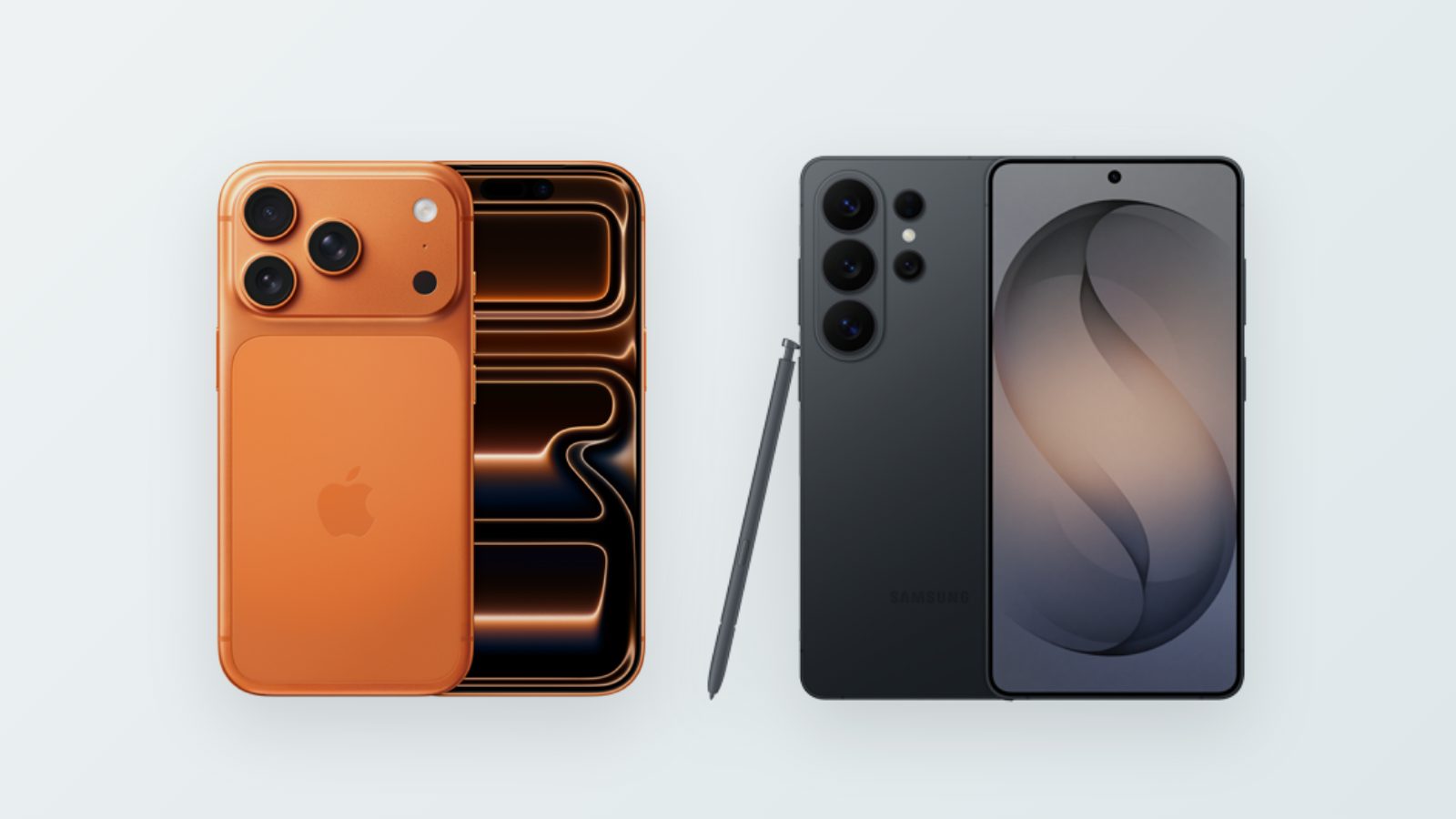
Same iPhone, same storage and same color, and yet two prices, sometimes hundreds of shekels apart. Almost always, the explanation is the import route. Before you pick the lower price, it's worth knowing what you get in return and what you give up, because part of the gap is a real saving and part of it only shows up when the device breaks.
Official importer, parallel import and personal import
With official import, the device arrives through the importer the manufacturer has authorized in Israel, passes the Ministry of Communications approvals, and the warranty is that importer's.
With parallel import, an Israeli merchant buys devices abroad and imports them on their own. It's completely legal, but the warranty is the merchant's and not the manufacturer's.
With personal import, you order from a website abroad, pay customs duty and VAT based on the amount, and for any fault you deal with the seller abroad.
Official importer warranty vs. parallel import warranty
This is where most of the difference lies. A device from official import is repaired at the importer in Israel, with the invoice. For a device from parallel import, the repair depends on the merchant who sold it: is it still in business, where is its lab, and what parts does it have. With personal import, you ship the device abroad at your own expense and wait weeks.
Before you buy, ask the seller one question: if the device breaks in eight months, where do I bring it and how long does it take? A vague answer is already an answer. With us, it's spelled out in detail by manufacturer in the warranty terms.
iPhone from parallel import: what to check before you buy
A device made for another market can come with small differences you only notice after a few weeks. Three things worth checking:
- eSIM only. iPhones made for the US market have come without a physical SIM card tray since the iPhone 14. If you're used to moving a card between devices, you need to know this in advance.
- Frequencies. Not every model supports all the fifth-generation (5G) frequencies used in Israel. Usually it doesn't end in "no signal," but in weaker reception in certain places, and that's hard to diagnose after the fact.
- Hebrew and updates. On most new models Hebrew is already built in, but it varies between makers and between models. It's worth asking to see the device powered on before you pay.
The same questions apply to a Samsung from parallel import, especially Galaxy S models built for other markets.
Invoice and VAT
A device from official import comes with an Israeli tax invoice. Self-employed people need it to offset VAT, and everyone needs it for an insurance claim or in a dispute with the seller.
When parallel or personal import is actually worth it
Not every purchase justifies the official route. For cables, screen protectors and simple accessories, the risk is small and the saving is noticeable. A second device, one you don't depend on day to day, can also be a reasonable consideration.
The story is different when it's your only phone, the one that holds your banking app, your kids' photos and the two-step verification for all your accounts. If you plan to keep it three years, compare the price gap to the cost of one repair that you'll have to manage on your own with someone abroad. In many cases the math flips.
- Official import
- Parallel import
- Importer warranty
- Parallel-import iPhone